'Ori Tahiti: the traditional dance of Polynesia
French Polynesia : a name evokes turquoise lagoons, white-sand beaches, and cloud-crowned mountains. But beyond the idyllic postcards lies a profound cultural depth. One of its most powerful expressions is 'Ori Tahiti, the traditional dance of Tahiti. More than a performance, it is an experience. To watch it is not only to see, but to come into contact with the very soul of the Polynesian people.

Ancient roots and cultural revival
Long before the arrival of Europeans, the islands pulsed with drums and bodies told stories in motion. 'Ori Tahiti is an ancestral art that conveyed myths, genealogies, rituals, and daily life in a society without writing. Through the body, collective memory was kept alive.
In the 19th century, missionaries banned the dance, judging it indecent and incompatible with Christian values. Women stopped dancing, drums fell silent. Only the discreet resistance of certain families allowed the art to survive. By the mid-20th century, 'Ori Tahiti was reborn as a symbol of identity and cultural pride.
A total art, a language of the land
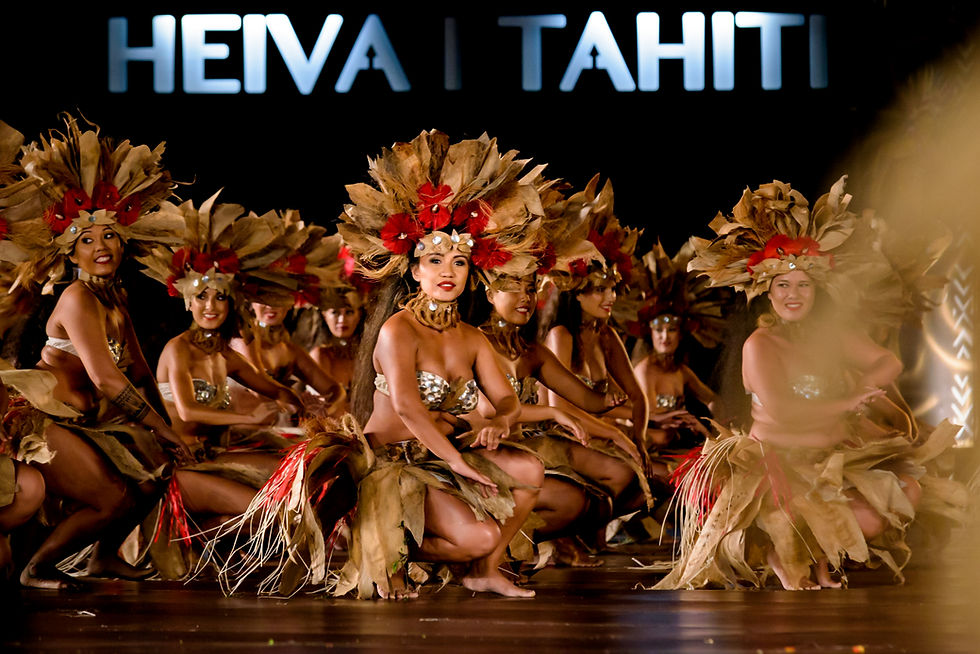
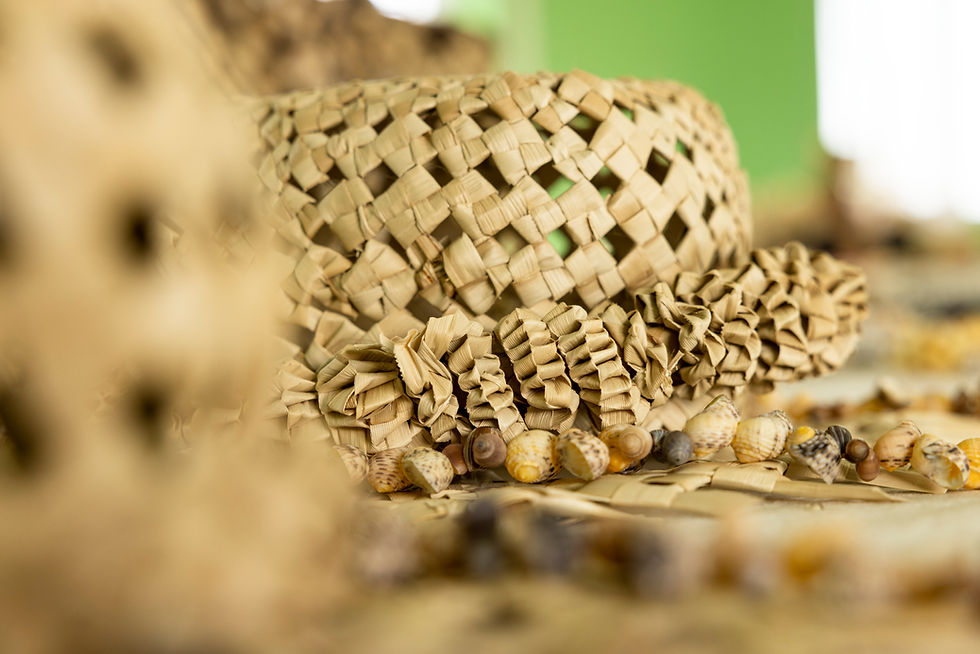
'Ori Tahiti is a multisensory experience: the rhythm of traditional percussion, songs in reo tahiti, the oratory art ʻōrero, and costumes made of flowers, leaves, fibers, and shells. Each element is part of a sacred whole.
The dance connects the body with the land (Te Fenua) and with the universe. Legs root the dancer to the earth, while arms and torso evoke wind, sea, and spirituality. Every movement carries meaning: nothing is danced without purpose—each gesture tells, honors, transmits.
Diversity of styles and island heritage
There are different forms of 'Ori Tahiti, each with its own style, function, and language:
'Ōte'a: powerful, rhythmic, vibrant. Once a male warrior dance, now performed also by women and in mixed groups. Hips follow the fast beat of the to'ere drum while arms narrate.
'Aparima: soft and narrative, telling stories through hand gestures. The poetic gesture dance, a visual whisper.
Hivināu: circular and choral, symbolizing the cycle of life and group unity. Often opens or closes performances.
Pā'ō'ā: playful and often humorous, with seated or crouched movements, inspired by games of seduction.
Pāta'uta'u: rhythmic chant transmitting knowledge, genealogies, and mythologies. A spoken, ceremonial dance.
Each archipelago adds its own influences. In the Marquesas, movements are stronger, more angular, and ritualistic. In the Tuamotu, rhythms are faster and steps lighter. This variety reflects the cultural richness and diversity of French Polynesia.
Dance in competition: Heiva i Tahiti and Hura Tapairu
Each year, 'Ori Tahiti reaches its peak in two major competitions that captivate locals and visitors alike:
Heiva i Tahiti: held every July at To'ata Square, it is the most important cultural festival in the country. The best dance and music groups perform grand spectacles that combine history, emotion, and mastery. Each choreography is a collective work of art, requiring months of preparation.
Hura Tapairu: organized at the end of the year, it offers a more intimate and contemporary look at 'Ori Tahiti. A stage for creativity and innovation, without losing ancestral essence.
For travelers, these events are unforgettable: a night at Heiva i Tahiti is like stepping into the living soul of Polynesian culture.
A tradition alive in daily life
Tahitian dance is not limited to tourist shows—it is deeply woven into daily life. From childhood, children, youth, and adults learn to dance in schools, cultural centers, or within their communities. 'Ori Tahiti is present in traditional weddings, religious celebrations, school festivals, and family gatherings.
For Polynesians, dancing is a way to give thanks, honor ancestors, connect with the environment, and share with others. More than an art form, it is a spiritual, physical, and collective practice that strengthens ties to the land, traditions, and cultural identity of each island.
Experiencing Ori Tahiti: an invitation to the Polynesian soul
Beyond dreamy beaches and exclusive resorts, a journey to French Polynesia is a chance to immerse yourself in authentic culture. Depending on the season, you can attend resort shows under the stars, join private workshops, or witness the legendary Heiva i Tahiti and Hura Tapairu festivals.
Discovering 'Ori Tahiti is much more than watching a dance: it is feeling the heartbeat of an ancient civilization that has preserved its soul through movement. An experience that leaves its mark—on the skin, and in the heart.